
Description
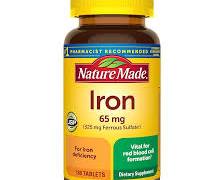
Iron, often called the “spark plug” of the body, is an indispensable mineral that plays a central role in numerous vital bodily functions. From transporting oxygen throughout our system to supporting energy production, iron is fundamental to our overall health and vitality. When iron levels dip, the consequences can range from persistent fatigue to more serious health issues. This is where iron supplements step in – offering a targeted way to restore balance and re-energize your life.
Recognizing Iron Deficiency
Iron deficiency can manifest in a variety of ways, ranging from subtle signs to more pronounced symptoms. If you experience several of these, it might be worth discussing with your doctor:
- Persistent Fatigue and Weakness: The most common symptom, due to reduced oxygen delivery.
- Pale Skin: Especially noticeable on the inner eyelids, gums, and nails.
- Shortness of Breath: Even with mild exertion.
- Dizziness or Lightheadedness.
- Headaches.
- Cold Hands and Feet.
- Brittle Nails.
- Unusual Cravings: Such as ice, dirt, or starch (a condition called pica).
- Restless Legs Syndrome.
Certain groups are at a higher risk of iron deficiency, including:
- Women of childbearing age (due to menstrual blood loss)
- Pregnant women (increased demand for both mother and baby)
- Vegetarians and vegans (iron from plant sources is less easily absorbed)
- Individuals with chronic digestive conditions (e.g., Crohn’s disease, celiac disease)
- People who experience significant blood loss (e.g., due to ulcers, internal bleeding)
- Endurance athletes
Types of Iron Supplements
Iron supplements come in various forms, each with different absorption rates and potential side effects. The most common forms you’ll encounter include:
- Ferrous Sulfate: A widely available and inexpensive form, often recommended for treating iron deficiency anemia. It’s generally well-absorbed but can be associated with gastrointestinal side effects.
- Ferrous Gluconate: Another well-absorbed form, sometimes considered gentler on the stomach than ferrous sulfate.
- Ferrous Fumarate: Also a well-absorbed form, often found in combination supplements.
- Iron Bisglycinate (Chelated Iron): This form is often touted for its excellent absorption and reduced gastrointestinal side effects (like constipation) compared to other forms. The iron is “chelated” or bound to an amino acid, making it easier for the body to absorb without irritation.
- Carbonyl Iron: Contains pure iron and is often used in cases where high doses of iron are needed.
Choosing and Using Iron Supplements Wisely
- Consult Your Doctor: Before starting any iron supplement, it is crucial to consult a healthcare professional. They can accurately diagnose iron deficiency through blood tests and recommend the appropriate dosage and type of supplement. Self-medicating with iron can be dangerous, as excessive iron can be toxic and lead to serious health problems.
- Follow Dosage Instructions: Adhere strictly to the prescribed dosage. Taking too much iron can lead to iron overload, which can damage organs like the liver and heart.
- Enhance Absorption:
- Vitamin C: Taking iron supplements with a source of Vitamin C (like orange juice or a Vitamin C supplement) significantly enhances absorption.
- Empty Stomach: For best absorption, iron is often recommended to be taken on an empty stomach. However, if this causes stomach upset, taking it with a small amount of food might be necessary.
- Avoid Inhibitors: Certain substances can hinder iron absorption:
- Calcium: Avoid taking calcium supplements or dairy products at the same time as iron.
- Tannins: Found in tea and coffee, tannins can reduce iron absorption.
- Phytates: Present in whole grains, legumes, and nuts, these can also interfere with absorption.
- Be Patient: Restoring iron levels takes time. You might need to take supplements for several months to replenish your body’s stores.
Potential Side Effects
While iron supplements are crucial for correcting deficiencies, they can sometimes cause side effects, particularly gastrointestinal issues:
- Constipation: Very common, especially with ferrous sulfate. Increasing fiber intake and water can help.
- Nausea/Stomach Upset: Taking iron with food can sometimes alleviate this.
- Dark Stools: This is a harmless side effect and indicates that the iron is being absorbed.
If side effects are severe or persistent, discuss them with your doctor. They may recommend a different type of iron or adjust the dosage.
Conclusion
Iron is a powerhouse mineral essential for our energy, immunity, and overall vitality. If you suspect you might be iron deficient, seeking professional medical advice is the first and most important step. With the right guidance and appropriate supplementation, you can effectively restore your iron levels, wave goodbye to persistent fatigue, and unlock a renewed sense of well-being.

Reviews
There are no reviews yet.