
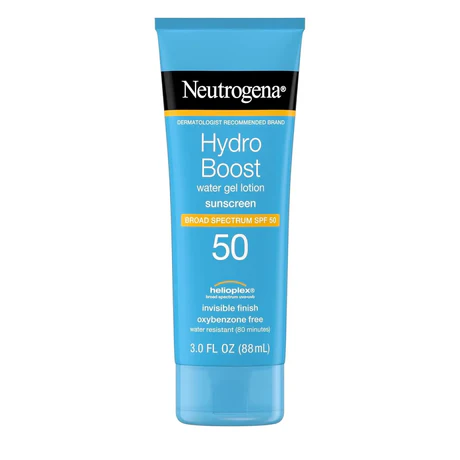
Description
This guide will demystify the world of sunscreen, helping you understand how it works, the different types available, and how to choose and use the right one for your skin.
Why Sunscreen is Non-Negotiable
The sun emits two types of harmful UV rays that reach the earth’s surface:
- UVA Rays: These rays penetrate deep into the skin’s layers and are responsible for premature aging, including fine lines, wrinkles, and sunspots. They are present year-round, even on cloudy days.
- UVB Rays: These rays are the primary cause of sunburn and are a key contributor to skin cancer. Their intensity varies with the season and time of day.
A good sunscreen provides a shield against both.
Understanding SPF and Broad-Spectrum
- SPF (Sun Protection Factor): This number indicates a sunscreen’s ability to block UVB rays. For example, an SPF 30 blocks approximately 97% of UVB rays, while SPF 50 blocks about 98%. Dermatologists recommend using an SPF of 30 or higher for daily use.
- Broad-Spectrum: This is a crucial label to look for. It means the sunscreen protects against both UVA and UVB rays, offering comprehensive protection.
The Two Main Types of Sunscreen
1. Physical (Mineral) Sunscreens
- How they work: They contain active mineral ingredients like Zinc Oxide and/or Titanium Dioxide. These ingredients sit on top of your skin and create a physical barrier that reflects UV rays.
- Key Attributes:
- Gentle: Often recommended for sensitive or acne-prone skin because they are less likely to cause irritation.
- Immediate Protection: They provide protection as soon as they are applied.
- Texture: Can sometimes leave a white cast, but modern formulations have reduced this effect.
2. Chemical Sunscreens
- How they work: They contain chemical compounds (e.g., Oxybenzone, Avobenzone, Octinoxate) that absorb UV radiation, convert it into heat, and then release it from the body.
- Key Attributes:
- Lighter Texture: They tend to be thinner, easier to spread, and absorb without leaving a white cast.
- Best for Athletes: Their texture makes them suitable for those who sweat a lot.
- Absorption Time: They need about 15-20 minutes to absorb into the skin to be fully effective.
How to Choose and Apply Sunscreen
- Check the SPF and Broad-Spectrum Label: Always choose a sunscreen that is at least SPF 30 and labeled as “broad-spectrum.”
- Consider Your Skin Type:
- Oily/Acne-Prone Skin: Look for lightweight, non-comedogenic formulas labeled as “oil-free” or “gel.”
- Dry Skin: Opt for creamy or lotion-based formulas with hydrating ingredients like hyaluronic acid.
- Sensitive Skin: A mineral sunscreen is usually the safest bet to avoid irritation.
- Application is Key:
- Amount: Use a generous amount—about a nickel-sized dollop for your face and neck alone. For your entire body, a good rule of thumb is a shot glass-full.
- Frequency: Apply sunscreen at least 15-20 minutes before sun exposure. Reapply every two hours, or more often if you’re sweating or swimming.
- All Areas: Don’t forget often-missed spots like your ears, the back of your neck, your feet, and your hands.
Sunscreen is not just for the summer; it’s an essential part of a year-round commitment to skin health. By incorporating it into your daily routine, you are taking a powerful step towards protecting your skin from damage and preserving its natural radiance for years to come.
Reviews
There are no reviews yet.